
When it comes to installing an electric vehicle charger (EV charger), numerous significant details can be discussed within this broad topic, which falls under electrical installation.
Installing EV chargers is highly advantageous when it comes to charging your electric vehicle (e.g., your electric car), so being aware of the intricacies of the concept is very worthwhile for a car owner.
In this blog, we will discuss all the necessary information related to EV charger installation, from the main steps of installation to a few key considerations before installing an EV charger. Let’s start exploring.
What is EV Charger Installation?
EV charger (electric vehicle) installation is the process of setting up an electric vehicle charging station at either your home or a commercial office.
EV chargers are devices used to transfer electrical energy from a power source or grid to an electric vehicle, plug-in hybrid, or neighbourhood electric vehicle to recharge their batteries.
Who Can Install EV Charging Stations?
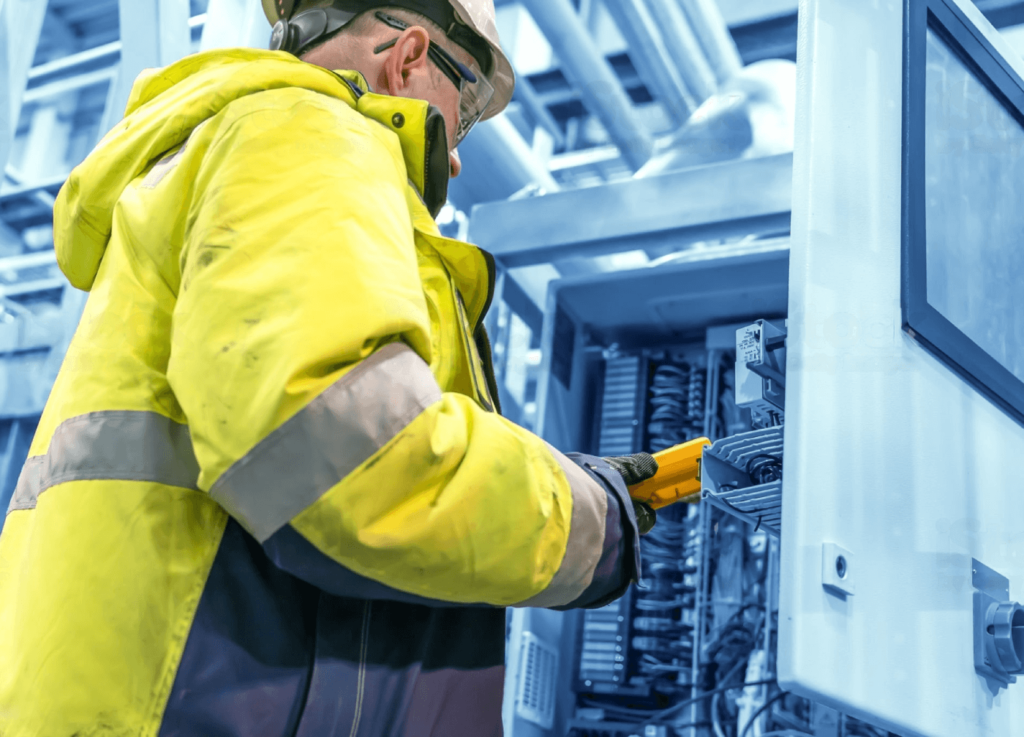
According to safety regulations, licensed and professional electricians are responsible for installing EV charging stations.
It is not recommended to install an EV charger by yourself, as this can lead to unexpected risks and hazards for someone with no considerable experience in this type of electrical work.
What are the Types of EV Chargers?
EV chargers have different classifications and types:
Charging Levels
- Level 1 (Slow): uses AC power (120V outlet)
- Level 2 (Fast): uses AC power (240V outlet)
- Level 3 (Rapid): uses DC power (400-800V)
Connector Types
- Type 1 (J1772)
- Type 2 (Mennekes)
- CCS (Combined Charging System)
- CHAdeMO
- NACS (North American Charging Standard)
What Kind of EV Chargers Can be Installed at Home?
If you plan to install EV chargers at home, then Level 1 and 2 EV chargers are the most suitable options for home charging.
Avoid installing DC fast charging (level 3) due to its high power requirements, which may not be compatible with homes.
Important Things to Consider Before Installing EV Chargers
There are some considerations that you must bear in mind once you decide to install an EV charger:
Choosing the Right Location
Picking the correct location for your EV charger installation is worth considering.
To decide on a suitable place to install your EV charger, consider strategically locating it with both cost reduction and convenience in mind.
Here are some ways or places you can pick for installing your EV charging station:
- Driveway/garage placement: Ideal for installing a home EV charger.
- Commercial parking lots: A smart way to drive revenue for business owners due to high traffic and increased charger usage.
- Allow for future expansion: Consider planning for extra space early on to accommodate the addition of more chargers in the future.
It is also advised that you choose a location for your EV charging station with the following characteristics:
- Solid GPRS data connection
- Easily accessible
- A covered parking space (for weather conditions)
- An installation height of 20 cm for wall-mounted chargers
Charger Type
After choosing the location for installing an EV charger, the type of charger to be installed will automatically come into question.
Level 1 AC Charger
A standard level 1 (AC) charger will be right for you if you choose your home as the location for charger installation.
This type is typically for slow charging or overnight charging (for over 20 hours).
Level 2 AC Charger
This is one of the most popular types of EV chargers.
Its charging rate is slightly faster than the previous one (it takes 5-6 hours to charge). This type is usually employed in workplaces, public charging stations, and even homes.
Level 3 DC Charger
The level 3 one is characterised by much faster charging than the other two. This one charges for under 1 hour and is used when a high charging speed is required.
The DC charger is the most expensive type of EV charger, and can be utilised in public charging stations, highway rest stops, auto dealerships, and commercial locations.
Electrical Capacity
Before installing an EV charger, you must ensure that the location’s electrical capacity can accommodate the additional electrical load required by the charger.
This is why hiring a qualified electrician is highly recommended in this case, as they will have the relevant experience to inspect the location and its electrical infrastructure, ensuring it is suitable for installing the EV charger.
Regulations and Permits
You must check with your local authorities to determine the permits required to install an EV charger, as well as ensure that you adhere to all safety standards. These permits include:
- Electrical permit
- Building permit
- Compliance with NEC safety electrical requirements
Future Expansion
Another thing to take into consideration is whether or not you are planning to grow your EV charger adoption in the future, which is very likely, since acquiring EV vehicles is getting more popular each day.
When you know ahead of time that you will be installing more EV charging stations later, you will consequently bear in mind some key considerations before installation, such as assessing your electrical capacity, choosing the correct location, and scalability.
Choose the Right Partners
As mentioned previously, installing EV chargers by yourself can do more harm than good. The question that arises is: whom to rely on during such an elaborate process?
Here are the reliable persons that you should consider partnering with throughout the whole execution phase:
- Certified and qualified electricians
- Charge point operator (CPO)
- Professional and reputable charger provider
What are the Steps of Installation?
It is about time to move to the actual step-by-step process undertaken when installing an electric vehicle charger:
Prepare the Wall Facade
First things first, start by preparing the surface of the wall where the electric vehicle charger will be installed. You do this by carrying out a few actions like:
- Ensure the wall is thoroughly cleaned before installation.
- Mount the reference paper (installation manual) where it is easily visible on the wall for accessibility and guidance.
Outline Hole Positions on the Wall
While referring to the reference paper, you will then use a pencil to mark the positions of the holes that will be drilled into the wall for the charger’s placement.
You will need to check the backplate of the electric car charger to ensure it fits the holes at the mounting points.
Drill Holes in the Wall
Following, it is time to drill the holes that have been marked on the wall. You will need to use a suitable drill bit size, which should be compatible with the diameter of the bolts or anchors.
Insert Bolts or Anchors
After that, you will put the bolts or anchors in place by hammering them into the holes you drilled. Make sure you insert the correct bolt or anchor into its corresponding hole, as each may have a unique size.
Install the Backplate
Next, the backplate is installed after removing the reference paper that was stuck to the wall. You will secure the backplate of the electric vehicle charger to anchors or bolts using screws or fasteners.
Put Up the EV Charger
You will finally mount the electric car charger on the backplate you installed. Do not forget to reference the manufacturer’s instructions carefully while doing so.
Cable Routing
When routing the cable, keep the power cord away from heat or sharp materials to prevent damage to the wire insulation. Additionally, route the cable carefully to avoid unseen potential hazards.
Connect the EV Charger to the Electrical Supply
For electrical connections, ensure compliance with the manufacturer’s guidelines and applicable electrical codes and regulations. It is always recommended that you contact a qualified electrician for professional installation.
Test and Setup
It is crucial to test the electric vehicle charger before actual use thoroughly. You can do this through a trial charge.
Cleanup and Check
The last step is to perform an overall clean-up after such a complex process. You should also check for any errors that may arise, ensuring that everything seems safe and ready for practical use.
How Long Does it Take to Install an EV Charger?
The exact time it takes to install an electric car charger varies, but installing a home charger typically takes between 2 and 4 hours.
The main factors that influence the duration of installation include:
- Type of charger
- Capacity of the electrical panel
- The preparation of the site
- Inspections and permits
What’s the Difference Between Home and Commercial EV Charger Installation?
There are some significant points of contrast between installing EV chargers at home or in a commercial space:
Power and Charging Speed
- EV Home charging: Level 1 or 2 charging (slower)
- Commercial EV charging: Level 2 or Level 3 (DC) chargers (faster)
Installation Costs
- EV Home charging: Lower cost
- Commercial EV charging: Higher cost
User Experience
- EV Home charging: Ideal for personal use
- Commercial EV charging: Ideal for several users
Tips for Maintenance and Safety
Safety and maintenance are necessary when it comes to EV charger installation. Here are some ways you can accomplish that when installing your EV charger:
Regular Inspections
Constant Cleaning
Cable Handling and Management
Always Follow the Manufacturer’s Manual
What are the Benefits of Home EV Charger Installation?
Some advantages of electric charger installation include:
Easy Charging Anytime
Environmental Protection
Cost Reduction
Time Saving
No More Searching for Charging Stations
Check Out Route Electrical LTD for Seamless Electrical Solutions
At Route Electrical LTD in London, you will find a wide range of services that will undoubtedly meet all your electrical needs.
From EV charger installation to house rewiring, our team of qualified and professional electricians is available whenever you need a solution to an electrical issue or someone to resolve an electrical hazard wherever you are.
You will experience an unprecedented peace of mind once you book our expert, emergency electricians.
Reach out to us today to get a free quote and become our n


