
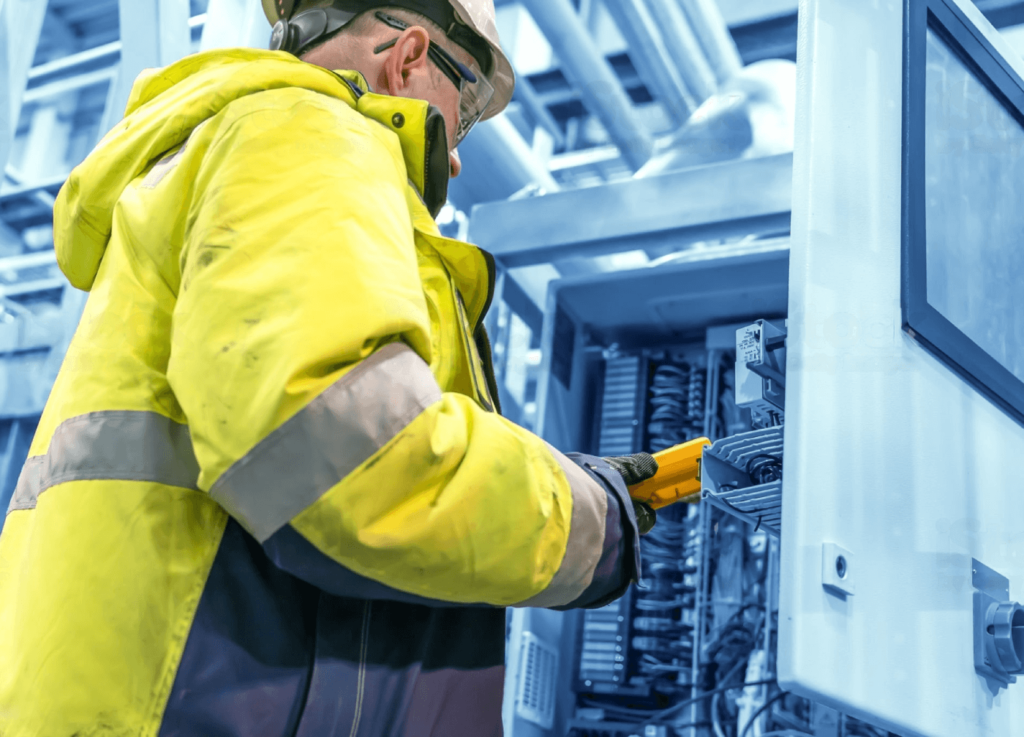
Your electrical panel is one of the most important components of your home’s electrical system. It receives electricity from the utility service and distributes that power through individual circuits to your lights, outlets, appliances, HVAC equipment, and other electrical devices.
As homes become more dependent on electricity, an older electrical panel may no longer be able to safely or conveniently meet modern power demands. Adding an electric vehicle charger, upgrading your HVAC system, installing an electric range, remodeling your home, or simply using more electronics can place additional demand on a system that may have been designed decades ago.
In some situations, an electrical panel upgrade can provide additional capacity and room for new circuits. In others, replacing an aging or damaged panel may be necessary to address reliability or safety concerns.
But how do you know when it is time for an electrical panel upgrade or replacement? How often should a panel be replaced? And what options are available?
Here is everything homeowners need to know.
What Is an Electrical Panel?
The electrical panel—sometimes called a breaker panel, service panel, electrical box, or breaker box—is the central distribution point for electricity in your home.
Inside the panel are circuit breakers that control individual electrical circuits. When a circuit experiences an overload or certain electrical faults, the breaker is designed to trip and interrupt power.
Modern homes can require considerably more electrical capacity than homes built several decades ago. Large appliances, air-conditioning systems, home offices, entertainment systems, electric water heaters, EV chargers, and other equipment can all contribute to a home’s electrical load.
That is why the condition and capacity of your electrical panel matter.
What Is an Electrical Panel Upgrade?
An electrical panel upgrade generally involves replacing or modifying an existing electrical panel so the home’s electrical system can accommodate current or anticipated electrical requirements.
Depending on the property, an upgrade might involve installing a panel with more circuit spaces, increasing electrical service capacity, replacing outdated equipment, or making related changes required for the new installation.
For example, a homeowner with an older 100-amp service may need to investigate upgrading to a 200-amp service when adding substantial new electrical loads.
However, bigger is not automatically better. The appropriate service and panel size should be determined based on the home’s electrical load, existing equipment, future plans, and applicable electrical requirements.
A qualified electrician can perform the necessary calculations and recommend an appropriate solution.
Electrical Panel Upgrade vs. Electrical Panel Replacement
Although these terms are sometimes used interchangeably, they can describe slightly different projects.
An electrical panel replacement typically means replacing an existing panel because it is old, damaged, unreliable, obsolete, or otherwise needs to be replaced.
An electrical panel upgrade often involves increasing the electrical system’s capabilities—for example, installing equipment with additional circuit capacity or upgrading the home’s electrical service to support higher loads.
Sometimes a project involves both. An older panel may need replacement at the same time the homeowner wants additional capacity.
The right approach depends on the condition of the existing system and what you need your electrical system to support.
Signs You May Need an Electrical Panel Upgrade or Replacement
Electrical panels do not always fail suddenly. In many cases, there are warning signs that indicate the system should be evaluated by an electrician.
1. Your Circuit Breakers Trip Frequently
A breaker occasionally tripping because too many devices are operating on one circuit does not necessarily mean the panel needs replacement.
Frequent or unexplained tripping, however, deserves professional attention.
It could indicate overloaded circuits, faulty equipment, wiring problems, or another issue within the electrical system. An electrician can diagnose the cause and determine whether the panel itself is part of the problem.
2. Your Electrical Panel Is Old
Age alone does not automatically mean a panel must be replaced, but older electrical equipment deserves closer attention.
A panel that has been in service for decades may no longer be appropriate for the home’s electrical demands. Components can also deteriorate over time, and older systems may lack features commonly found in newer installations.
If you own an older home and do not know when the panel was installed or last inspected, having an electrician evaluate it is a sensible starting point.
3. You Have a Fuse Box
Some older properties still use fuse-based electrical systems rather than modern circuit breakers.
A fuse box is not automatically proof that an electrical system is unsafe, but its presence often indicates an older electrical installation. The surrounding wiring, service capacity, and overall condition should be professionally evaluated.
Depending on the findings and your electrical needs, upgrading to a modern breaker panel may be recommended.
4. You Are Running Out of Space for New Circuits
Homeowners frequently discover panel limitations when planning a renovation or installing new electrical equipment.
You might need additional circuits for:
- An EV charger
- A new HVAC system
- An electric range or oven
- A hot tub
- A workshop
- A home addition
- A remodeled kitchen
- An electric water heater
- New laundry equipment
- Additional outlets or dedicated circuits
If the existing panel does not have sufficient capacity or available circuit space, an electrician can determine what upgrade options are appropriate.
5. You Notice Burning Odors, Heat, or Discoloration
A burning smell near the electrical panel, unusual heat, visible scorching, melted components, or discoloration should never be ignored.
These symptoms can indicate a serious electrical problem.
Do not attempt to open, repair, or modify the panel yourself. If you notice signs of overheating, arcing, smoke, or fire, treat the situation as urgent and contact the appropriate emergency services and a qualified electrician.
6. You Hear Buzzing, Crackling, or Unusual Sounds
Electrical panels should not routinely produce pronounced buzzing, crackling, sizzling, or popping sounds.
Unusual sounds can have several causes and should be professionally investigated, particularly when accompanied by heat, odors, flickering lights, or breaker problems.
7. Your Lights Frequently Flicker or Dim
A light briefly dimming when certain equipment starts does not necessarily mean your panel is failing.
However, persistent or widespread flickering and dimming can indicate a problem somewhere in the electrical system. Possible causes range from an individual circuit issue to service or connection problems.
An electrician can determine the source rather than relying on guesswork.
8. You Are Adding Major Electrical Loads
You do not need to wait for something to go wrong before evaluating your electrical panel.
Before installing equipment that draws substantial power, it is important to determine whether your existing electrical system can accommodate the additional load.
This is particularly relevant when installing EV charging equipment, converting gas appliances to electric, adding HVAC equipment, or undertaking a major renovation.
9. You Are Renovating an Older Home
A renovation is often a good opportunity to evaluate the property’s electrical infrastructure.
Opening walls, changing room layouts, adding appliances, and installing new circuits can expose limitations in an older electrical system.
Having the panel and electrical service assessed during the planning stage can help identify necessary work before the project progresses.
10. There Is Visible Damage, Corrosion, or Moisture
Rust, corrosion, water intrusion, damaged breakers, loose components, or physical damage around an electrical panel should be professionally assessed.
Electricity and moisture are a dangerous combination, and damaged electrical equipment should not be treated as a cosmetic problem.
How Often Should an Electrical Panel Be Replaced?
There is no universal replacement schedule that applies to every electrical panel.
The useful life of a panel depends on factors such as its design, installation, environment, maintenance, electrical load, and overall condition. Rather than replacing a panel solely because it reaches a particular age, homeowners should consider the entire electrical system and have older or questionable equipment evaluated by a qualified electrician.
A panel may need attention sooner if there are signs of overheating, corrosion, physical damage, repeated electrical problems, insufficient capacity, or other deficiencies.
If you recently purchased an older home—or simply do not know the history of the electrical system—an electrical inspection can provide useful information about its current condition.
What Size Electrical Panel Do You Need?
Residential electrical services come in different capacities, and the correct size depends on the property.
Older homes may have smaller services, while 200-amp service is common in many modern homes. Some larger properties or homes with extensive electrical loads may require more capacity.
The correct choice should not be based solely on the size of the house.
An electrician should consider factors such as:
- Existing electrical loads
- Heating and cooling equipment
- Cooking appliances
- Water heating
- EV charging
- Laundry equipment
- Other major appliances
- Planned additions or renovations
- Future electrification plans
A proper electrical load calculation helps determine whether the existing service is adequate and what changes, if any, are appropriate.
Electrical Panel Upgrade and Replacement Options
There is no single electrical panel solution for every home. Depending on your current system and future plans, several options may be considered.
Standard Panel Replacement
If the existing panel has adequate capacity but is old, damaged, or otherwise requires replacement, installing a new panel with suitable specifications may address the issue without significantly increasing the home’s service capacity.
Service and Panel Upgrade
If the home requires additional electrical capacity, upgrading the service and panel may be appropriate.
For example, some properties may move from a lower-capacity service to a 200-amp service. The scope of the project can extend beyond simply replacing the breaker box and may involve service conductors, metering equipment, grounding and bonding components, utility coordination, permitting, and other work.
Panels With Additional Circuit Space
Even when a home’s immediate electrical load is manageable, additional circuit spaces can be valuable when planning future improvements.
Extra capacity in the panel can make it easier to accommodate appropriately designed future circuits for renovations, appliances, EV charging, or other additions.
Subpanels
In some situations, installing a subpanel may provide additional circuit distribution without replacing the main panel solely for circuit-space reasons.
Whether this is appropriate depends on the capacity and condition of the existing system, the electrical load, and the layout of the property.
An expert electrician can determine whether a subpanel, main panel replacement, service upgrade, or another solution makes the most sense.
Smart Electrical Panels and Energy Management
Some homeowners are also exploring smart electrical panels and energy-management systems.
Depending on the equipment, these systems may offer features such as circuit-level monitoring, energy-use information, load management, or integration with other home-energy technology.
They can be particularly interesting for homeowners planning EV charging, solar, battery storage, or broader home electrification. However, suitability and cost vary, so they should be evaluated based on the home’s actual needs.
Should You Upgrade Your Panel Before Installing an EV Charger?
Not necessarily—but your electrical system should be evaluated.
EV chargers can represent a significant new electrical load. Whether a panel or service upgrade is required depends on the charger’s specifications and the home’s existing electrical capacity and loads.
Some homes already have adequate capacity. Others may require upgrades or potentially an approved load-management solution.
The best approach is to have an electrician assess the electrical system before the EV charger installation is finalized.
What Happens During an Electrical Panel Replacement?
The exact process varies depending on the property and project, but electrical panel work generally begins with an assessment of the existing system and the homeowner’s current and future electrical requirements.
The electrician can then determine the required equipment and project scope. Depending on the work and local requirements, permits, inspections, and utility coordination may also be necessary.
During installation, power to the home will generally need to be disconnected while the existing equipment is safely removed or modified and the new equipment is installed.
The electrician will then connect and identify the appropriate circuits, complete required grounding and bonding work, verify the installation, and coordinate any required inspection or service reconnection.
Because the electrical panel interfaces with high-energy electrical service equipment, panel replacement is not an appropriate DIY project.
How Long Does an Electrical Panel Upgrade Take?
Project duration varies.
A relatively straightforward panel replacement may be completed within a day in some circumstances, while a more extensive service upgrade can take longer due to the scope of the work, utility coordination, permits, inspections, equipment changes, or existing electrical conditions.
The best way to establish a realistic timeline is to have the property evaluated before scheduling the project.
How Much Does an Electrical Panel Upgrade Cost?
Electrical panel upgrade costs can vary substantially from one property to another.
Pricing can be affected by:
- Existing panel and service configuration
- Desired electrical capacity
- Panel location and accessibility
- Required service equipment
- Grounding and bonding requirements
- Condition of the existing wiring
- Permit and inspection requirements
- Utility requirements
- Additional circuits or electrical work
- Local labor and material costs
- Whether other deficiencies are discovered during the project
For that reason, a quote based on an on-site evaluation is generally more useful than relying on a generic national price estimate.
It is also important to compare the scope of work—not simply the bottom-line price—when evaluating estimates.
Can You Replace an Electrical Panel Yourself?
Electrical panel replacement should be handled by a properly qualified electrical professional.
Even when the main breaker is switched off, portions of electrical service equipment may remain energized depending on the system configuration. Mistakes can result in electrical shock, arc-flash hazards, fire, equipment damage, or an installation that does not comply with applicable requirements.
Panel and service work can also involve permits, inspections, and coordination with the electric utility.
This is a job where professional installation matters.
Is an Electrical Panel Upgrade Worth It?
When an upgrade is necessary for safety, reliability, capacity, or planned electrical improvements, it can be an important investment in the home’s infrastructure.
A properly designed electrical system can provide adequate capacity for current needs while helping homeowners prepare for future electrical demands.
It can also make other projects possible, including EV charger installations, renovations, new HVAC equipment, electric appliances, workshops, additions, and other electrical upgrades.
The key is determining what your home actually needs rather than automatically installing the largest panel available.
Planning for Future Electrical Needs
If you are already replacing or upgrading an electrical panel, it is worth discussing your future plans with your electrician.
Think about what could change over the next several years.
Are you considering an electric vehicle? Planning a kitchen remodel? Replacing gas appliances with electric models? Adding a heat pump? Building an addition or workshop? Considering solar or battery storage?
Sharing these plans can help your electrician recommend a system that accommodates both current requirements and reasonable future needs.
Do You Need an Electrical Panel Upgrade? Contact Route Electrical
Your electrical panel is at the center of your home’s electrical system. If it is outdated, damaged, experiencing problems, running out of circuit space, or unable to support new electrical equipment, it may be time for a professional evaluation.
Route Electrical can inspect your existing electrical system, identify potential concerns, evaluate your home’s electrical capacity, and help you understand the available options for an electrical panel replacement or upgrade.
Whether you’re experiencing frequent breaker problems, renovating an older property, installing an EV charger, adding major appliances, or simply want to know whether your current panel is ready for your home’s future electrical needs, our team can help you determine the right path forward.
Don’t wait for an electrical problem to become a larger issue.
Contact Route Electrical today to schedule an electrical panel evaluation and get professional recommendations for your home’s electrical needs.


